

The front fender is a key part of a car, and its position and function are closely related, as follows:
I. Standard Location: Above Front Wheel Arch
The front fender is fixed above and outside the front wheel arch (the curved space between the front wheel and the body) and covers the upper half of the front wheel. Its positioning characteristics include:
Coverage Area: The front wheel semi-enclosed structure extends from the front wheel centre line forward to the front bumper and back to below the front door.
Spatial Relationship: Connect to the front bumper, headlights, hood, front door and other components through clips, bolts or structural adhesives to create smooth body lines.
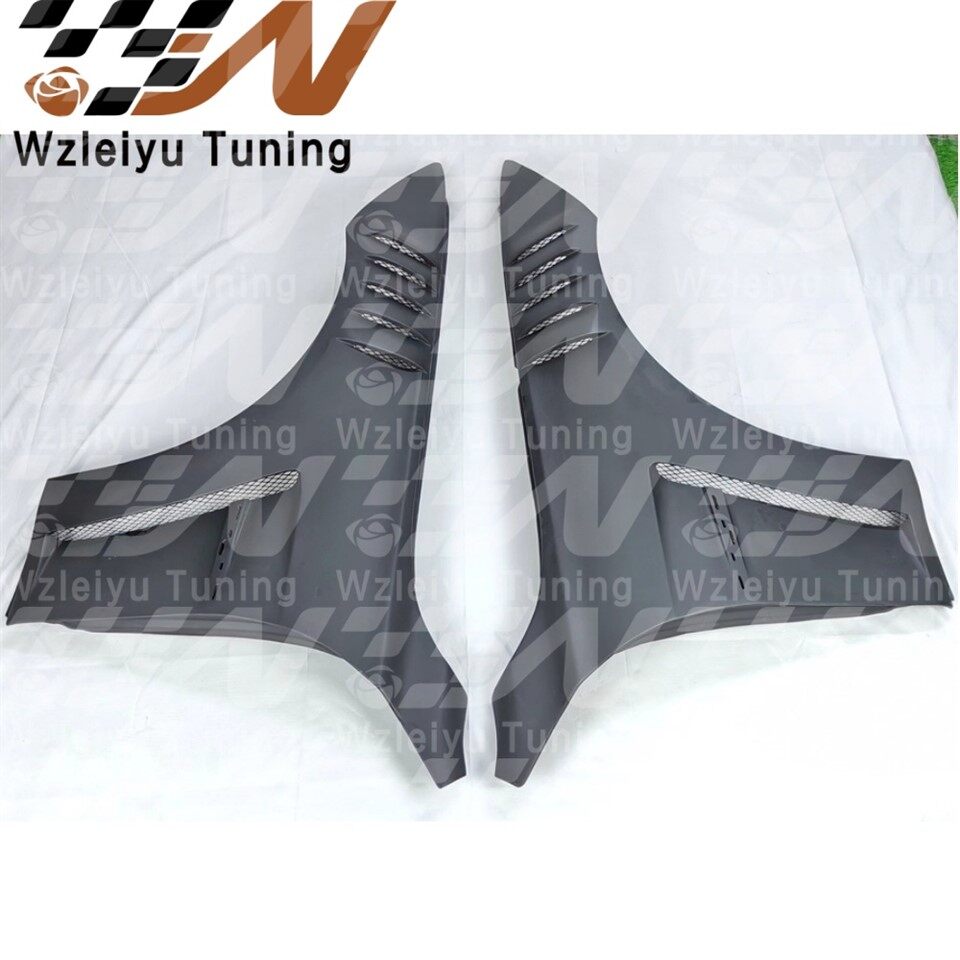
II. Functional positioning: The core functions of the protection and airflow front fender determine its location design:
Protective function: Protect soil and sand: prevent dirt, water and gravel kicked up by wheels from hitting the body directly, reducing the risk of coating wear and rust.
Collision Buffering: In low-speed collisions (such as parking abrasions), plastic fenders absorb energy through elastic deformation, reducing maintenance costs, while steel fenders protect the vehicle's frame through high-strength structures.
Aerodynamic Optimization
Airflow Guiding Design: fender surface uses a streamlined curve to guide airflow to the side of the vehicle, reducing turbulence (e.g., the seamless connection between the the Tesla Model S fender and the door, reducing the drag coefficient Cd).
III. Structural Extension: synergy with Surrounding Components
The front fender's position requires precise integration with:
Front Wheel Arch Liners
The fender is made of plastic or rubber and sits inside the fender, further preventing mud and sand from getting into the engine compartment and reducing the noise of tyres getting in.
Turn signal and Side Marker Lights
Some models integrate turn signals into the front of the fender, requiring pre-drilled mounting holes and wire harness channels to ensure light signals are visible.
The gap between the hood and the front bumper should be limited to between 1 and3mm (high-end models can be reduced) to avoid the sound of sirens caused by high-speed air, and the connection between the hood and the front bumper should be designed to be wrinkled to comply with pedestrian protection regulations.