

It is necessary to analyze the function of the front hood vent trim from the aspects of practical engineering needs and visual design logic. Its core functions can be summarized as follows:
1.Aerodynamic Optimization: Guiding airflow, reduces drag and lifts.
Airflow Management: In some models, the vent trim is combined with actual airflow channels to precisely direct air flow to the engine compartment or braking system using a specific shape,such as a tapered openings or spoiler fins. High-performance models, for example, can reduce turbulence on the surface of a car (such as separated vortices on both sides of the front end), reduce drag coefficient (Cd value), and improve high-speed stability by utilizing decorative side airflow channels to direct high-speed airflow into the engine compartment for auxiliary cooling, or by directing airflow into the wheel arches to reduce air pressure fluctuations.
Lift control: A sports sedans or sport utility vehicle (SUV) can be designed to tilt at an angle (e.g. low front, high rear profile), combine with the curvature of the hood to direct airflow downwards into the body, increase front wheel grip and improve handling,especially when cornering at high speeds.
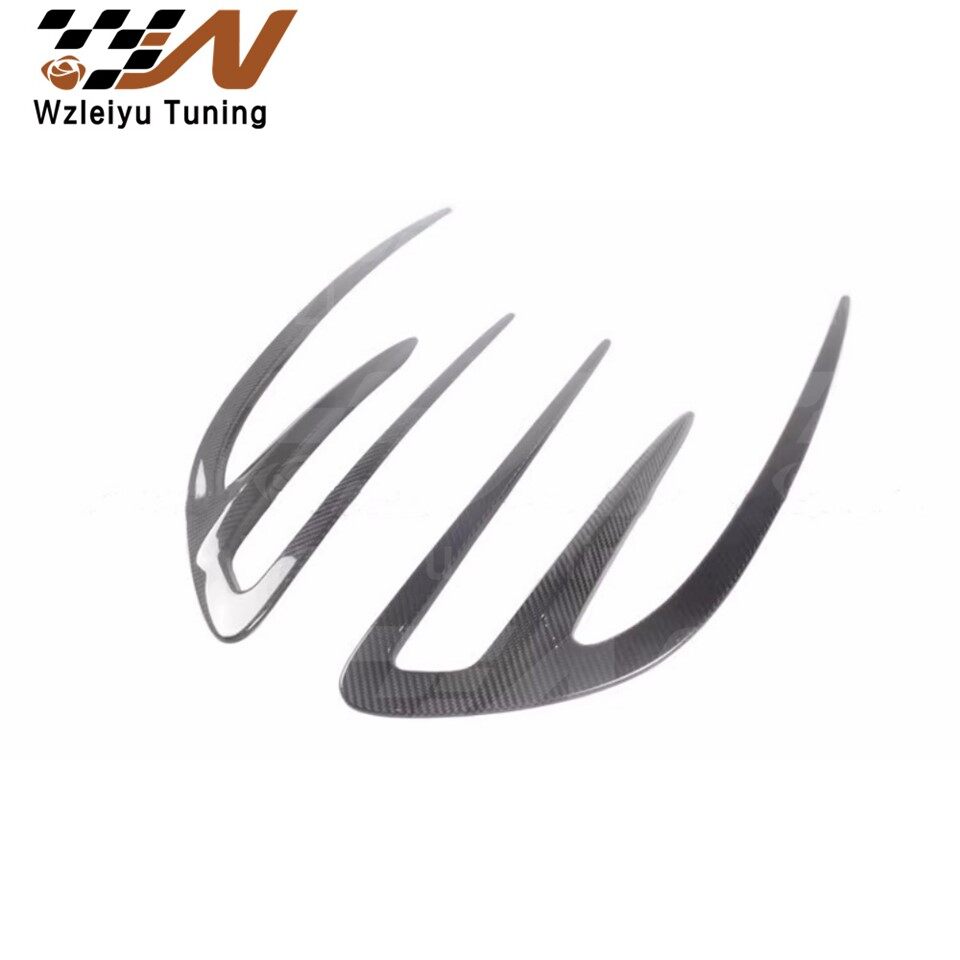
2.Thermal management assistance: improving Engine Compartment Cooling Efficiency
Passive Cooling: If the trim strip is connected to the actual air vents (not fully closed), the opening position and size must conform to the engine compartment's cooling requirements. For example, a turbocharged engine may have air vents in the front of the hood; trim can act as a guide, speeding up the release of hot air and preventing power loss or aging components due to excessive engine compartment temperature.
Synergy cooling system: Some models combine hidden air ducts with front grille and front bumper air intakes to create a complete airflow path (for example, cold air from the grille enters the radiator through the trim and then drains out from behind the hood), creating an "active-passive" composite cooling mode.