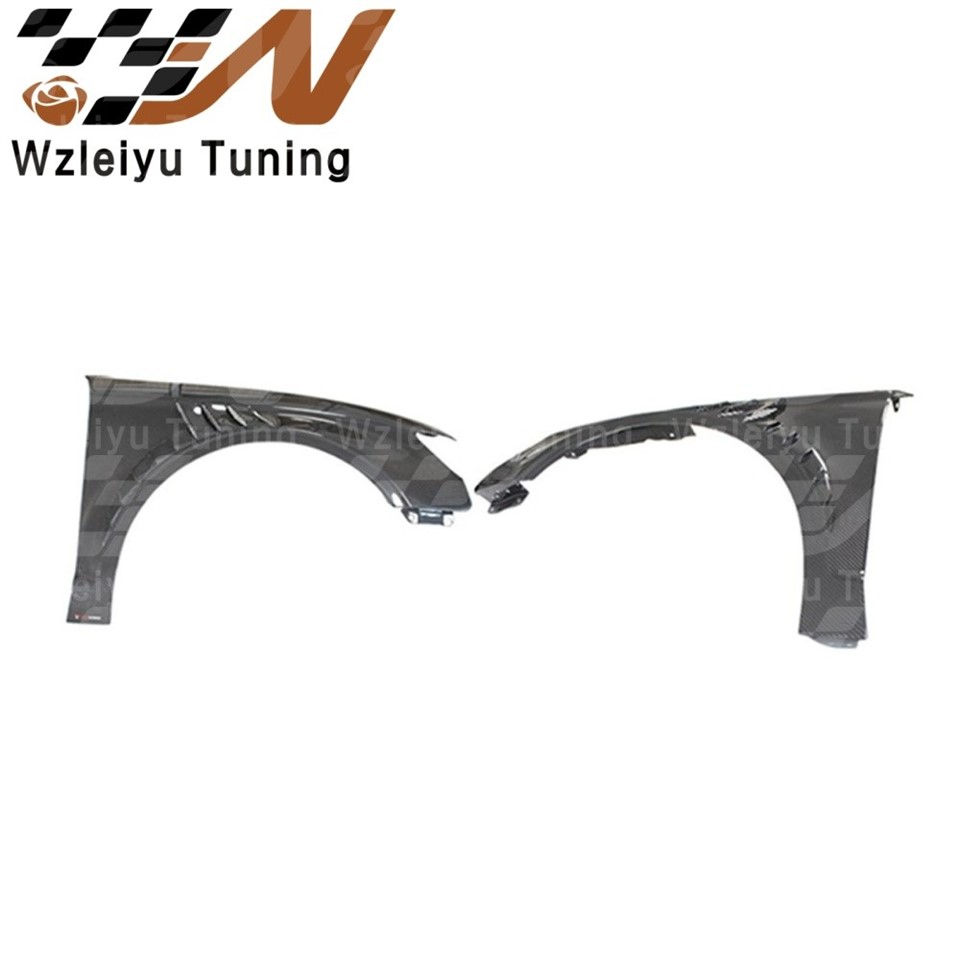
The future development trend and application prospects of dry carbon fiber components in the automotive industry show significant positive trends, mainly reflected in the following aspects:
1, The market size continues to grow
With the continuous growth of global demand for lightweight, environmentally friendly, and high-performance vehicles, the market size of dry carbon fiber components in the automotive industry is expected to continue to expand. Especially in the field of new energy vehicles, due to their ultimate pursuit of range and lightweight, the application prospects of dry carbon fiber components are particularly broad. It is expected that the market size of dry carbon fiber components in the automotive industry will grow at a high compound annual growth rate in the coming years.
2, The application fields are constantly expanding
Body structural components: The application of dry carbon fiber components in body structural components will become increasingly widespread, such as frames, doors, engine hoods, etc. After using dry carbon fiber, these components not only reduce weight, but also improve the vehicle's handling and stability, while giving the car a more fashionable and high-end appearance texture.
Power system components: In terms of power systems, the application of dry carbon fiber components is also showing an increasing trend. For example, using dry carbon fiber materials for engine hood, transmission shaft and other components can help reduce weight, improve fuel efficiency, and extend the service life of the components.
Interior components: The application of dry carbon fiber components in interior components is also constantly innovating. The use of dry carbon fiber materials for seat frames, instrument panels, and other components not only reduces weight, but also enhances the luxury and technological feel of the interior.
3, Continuous optimization of manufacturing processes
In order to better promote the application of dry carbon fiber components in the automotive industry, manufacturing processes are constantly being optimized. For example, the application of new manufacturing processes such as automated layering technology and compression molding technology has improved the production efficiency and product quality of dry carbon fiber components, reduced production costs, and made the application of dry carbon fiber components in automobiles more economically feasible.